
Why Glare Analysis Matters
Solar glare isn't just a nuisance - it's a safety hazard and project killer. Understanding the risks is the first step to preventing costly failures.
What is Solar Glare?
Solar glare occurs when sunlight reflects off photovoltaic panels, or other reflective surfaces, toward observers. These reflections can cause significant visual impairment.
The intensity and duration of glare depend on multiple factors:
- Panel orientation and tilt - determines reflection angles
- Observer location – distance and viewing angle matter
- Time of day and year – sun position changes constantly
- Panel surface properties – affects reflection intensity and duration
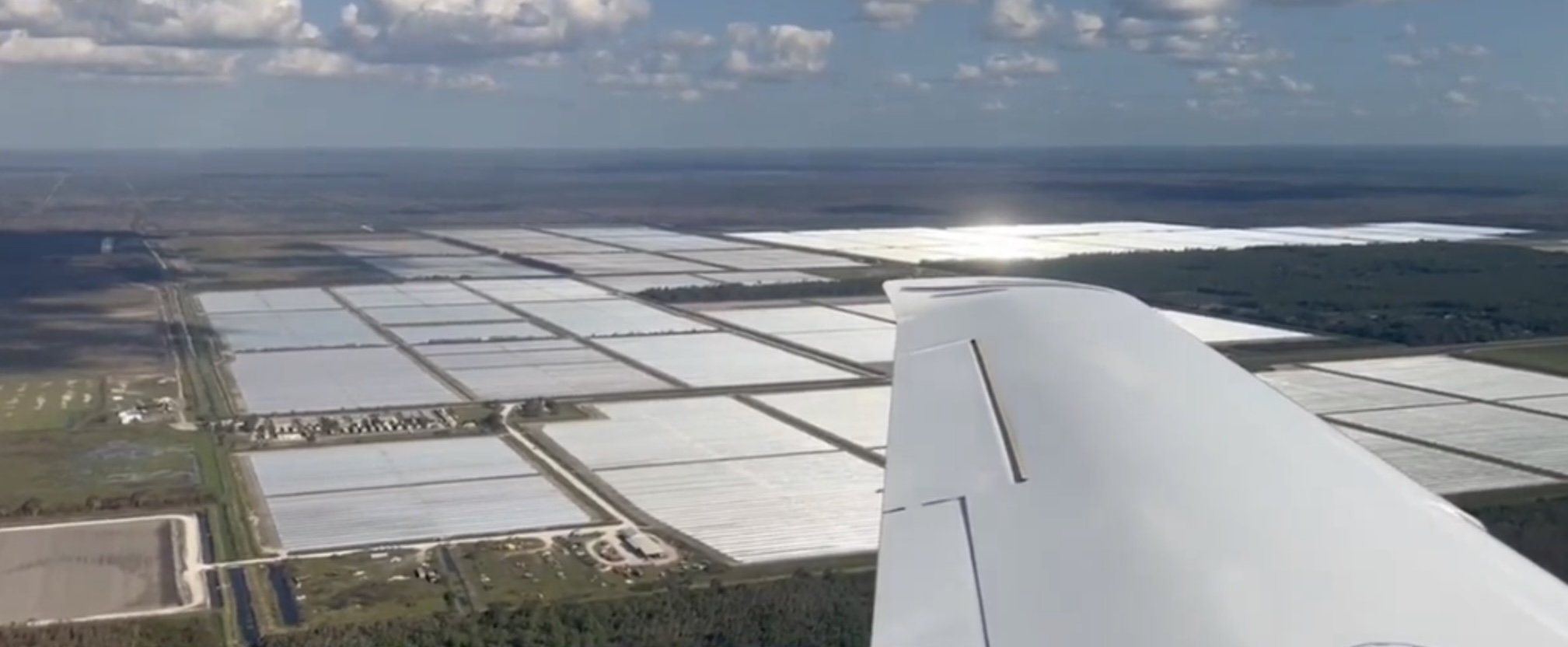
Key Fact
Anti-reflective coatings can reduce glare but do not eliminate it. At higher incidence angles, more than 50% of incoming sunlight can still reflect toward observers.
Impacts of Glare Hazards
Different observers face distinct risks from solar glare
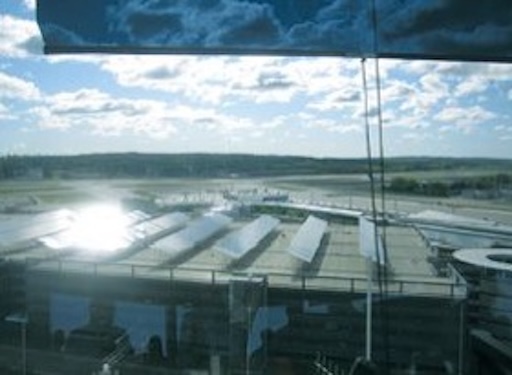
Aviation
Pilots have experienced glare impacts lasting up to 12 seconds during critical phases of flight. Air traffic controllers may lose visual contact with aircraft.
- Many countries have stringent policies
- Can ground projects post-construction
- Glare hazards can cost millions to fix
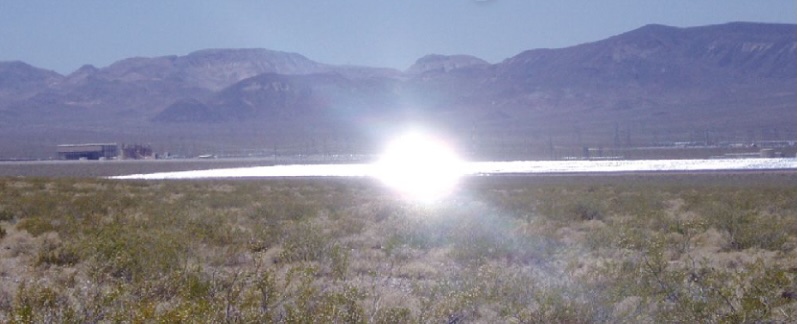
Transportation
For motorists on highways and railways, even brief glare exposure at high speeds can affect driving ability for significant distance.
- Growing regulatory focus
- State DOT requirements emerging
- Liability concerns increasing
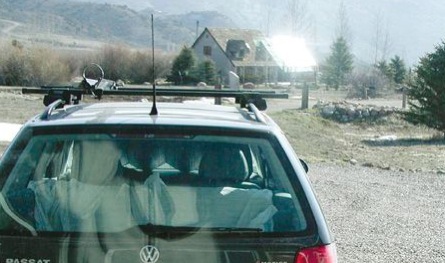
Residential
Neighbors can experience daily glare affecting quality of life. HOAs and local authorities increasingly require analysis.
- Nuisance complaints can force PV removal
- HOA approval often needed
- Permits may require analysis
Regulatory Landscape
Requirements are expanding globally as authorities recognize glare risks
United States
- FAA 2013 Interim Policy – Requires glare analysis for projects within airport vicinity; often cited internationally
- FAA 2021 Update – Allows airports to determine PV project requirements; disallows any glare for Air Traffic Control
- State DOTs - Growing requirements for highway-adjacent projects
International
- European Aviation Safety Agency (EASA) – strict luminance threshold disallows glare even when it is only a small fraction of direct sunlight
- UK Civil Aviation Authority – Requires analysis near aerodromes
- Australia – State-level policies have varying requirements
Common Questions About Glare
Understanding the facts helps you make informed decisions about your solar project
This is a common misconception. While PV panels absorb 90%+ of light when directly facing the sun, reflectivity varies dramatically with angle. Independent research by Sandia National Laboratories determined that photovoltaic modules can reflect more than 60% of incoming sunlight at certain times of day.
The oft-repeated claim that PV panels only reflect 5% of light assumes modules directly face the sun. Panels lying flat can actually reflect 10x as much at sunrise and sunset when the sun strikes at glancing angles.
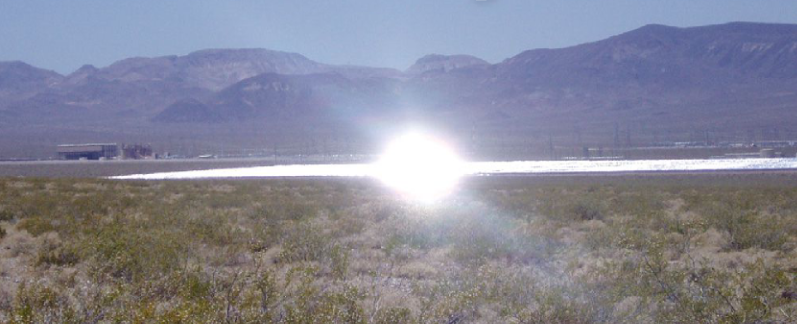
Glint and glare differ only in duration. A reflection source would appear as glint to a motorist driving by (brief flash), whereas it would appear as glare to a stationary observer viewing it for a longer period of time. Both can be hazardous depending on the intensity and the observer's situation.
The ocular impact of glare depends on both the incoming irradiance and the angle subtended by the glare source (size of visible glare spot). ForgeSolar uses a color-coded hazard scale:
- Green (low potential) - Unlikely to cause after-image
- Yellow (potential) - May cause temporary after-image (similar to a camera flash)
- Red (high potential) - May cause permanent eye damage with sustained viewing
A realistic comparison: yellow glare is similar to viewing a brief camera flash - it "sticks" in your vision temporarily. Green glare has low potential to cause this after-image effect.
Protect Your Project Before It's Too Late
Don't wait for complaints or regulatory action. Get ahead of glare issues with a comprehensive analysis from the industry's most trusted tool.